Rip current can flow as swiftly as eight feet per second, carrying even the strongest swimmer far out from shore.
A St. Louis, Missouri, woman drowned at a Panhandle beach on June 23, becoming the seventh victim of Florida’s dangerous rip currents in a span of four days.
Around 11:30 a.m., the Bay County Sheriff’s Office responded to a report of a distressed swimmer at Carillon Beach, just north of Panama City Beach. Debbie Szymanski, 60, was transported to a local hospital where she was later pronounced dead.
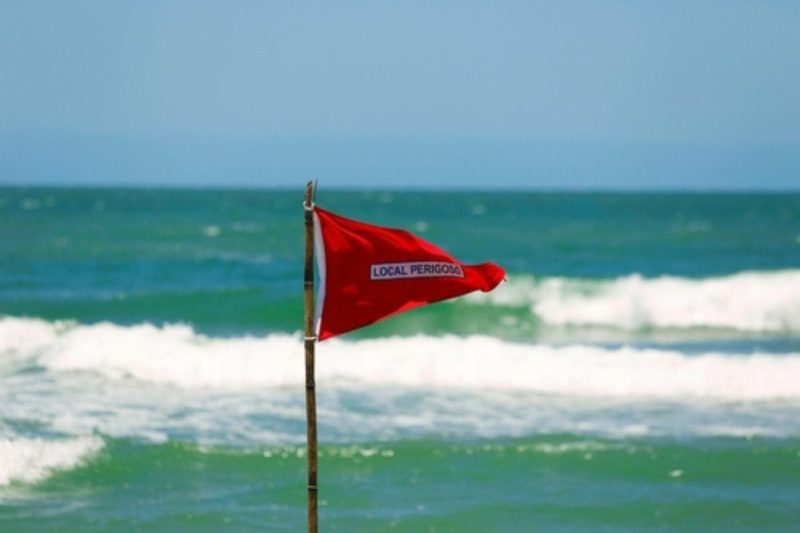
The beach was open and a single red flag was flying when Szymanski went in for a swim. The beach patrols were in the process of putting up double red flags around the time of the drowning. Single red flags allow for swimming, while double red flags prohibit swimming, except for surfers and paddleboarders.
Just two days prior, three men from Alabama drowned in rip currents off Panama City Beach, and on June 20, a teenager from Oklahoma died after being caught in a rip current at the same beach.
That same day, over on the Atlantic coast, a Pennsylvania couple died after getting caught in a rip current while swimming off of Stuart Beach, on Hutchinson Island.
Rip currents are narrow columns of water flowing rapidly away from the beach. They tend to form near jetties or piers, and may be connected to stormy weather, but can form on sunny days.
The water may look calm on the surface, but the rip current can flow as swiftly as eight feet per second, carrying even the strongest swimmer far out from the shore, according to the National Oceanic and Atmospheric Administration.
RELATED: These 10 Florida beaches are the most dangerous in the US